Common Problems Faced by Hospitality Workers in the UAE
The hospitality industry in the UAE is one of the largest employers, with millions of workers providing services in hotels, restaurants, resorts, housekeeping, catering, and tourism. Although the industry provides international exposure and stable employment, the daily difficulties that hospitality workers have to endure affect their physical and mental health as well as their long-term career advancements. The problems of these workers, who are the backbone of the service industry, often remain unrecognized.
In this blog, we have discussed the most common problems faced by the hospitality sector workforce in the UAE, where each key issue is clearly and in detail explained.
Long Working Hours and Physically Exhausting Shifts
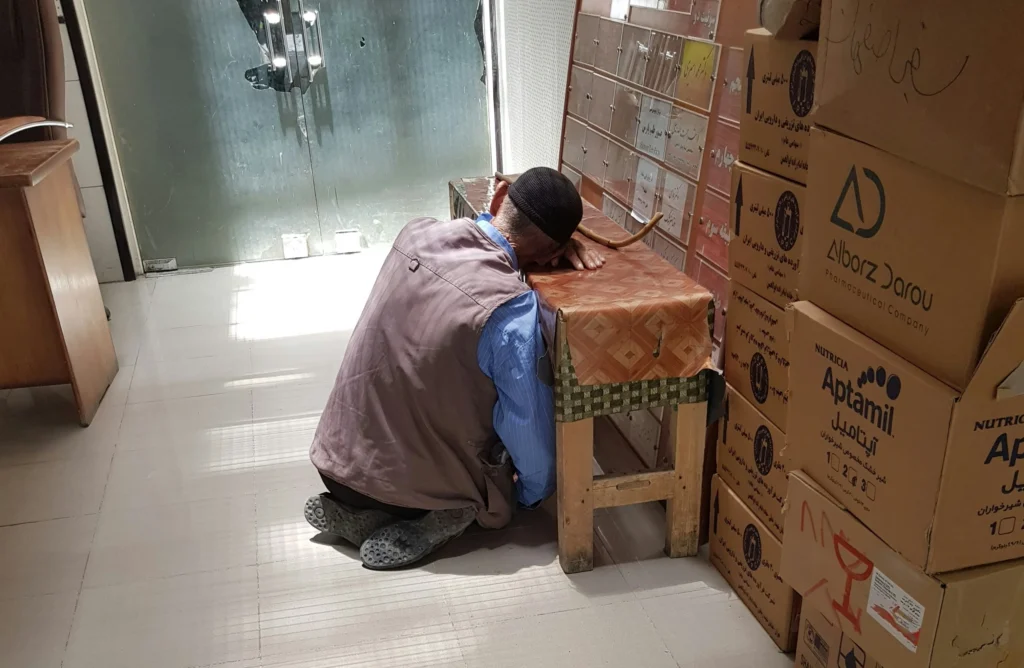
It is quite common for hotel employees in the UAE to work for long hours, up to 12 hours a day, especially during the tourist peak seasons and major events. This is the case with a lot of workers who have to keep standing, walking, and lifting very heavy weights all day long, which leads to constant body pressure and, ultimately, weariness and pain in the affected parts.
In the case of a lot of workers, the time between two shifts is not enough for them to have the rest they need, which eventually drains them of energy. The result of this cycle of physical exhaustion is decreased productivity, increased chances of workplace injuries, and so forth.
High Job Pressure and Constant Performance Expectations

Service in the hospitality sector is such that the employees are always expected to keep a very high standard, regardless of their workload or personal emotions. All workers have to deal with the most difficult customers, reasonably handle complaints, and adhere to service schedules that are very tight every day. In fact, even small mistakes can lead to negative feedback or punishment, and thus, the situation becomes worse from the perspective of the workers. The overwhelming nature of this pressure, which is always there, is very draining mentally and thus very damaging to one’s self-worth and morale.
Low Salaries Compared to the High Cost of Living

Limited wages are earned by many hospitality workers in the UAE, especially in entry-level positions like housekeeping, kitchen assistance, or waitstaff. The workers find it very hard to pay for food, transport, and family remittances due to the rising cost of living. They are left with no savings at all, which means they are financially insecure in the long run. As a result, they have to depend on overtime and service charges basically for their sustenance.
Language Barriers and Communication Difficulties

The hospitality industry in the UAE mainly consists of a multicultural workforce that is very diverse regarding the employees’ nationalities and languages. Such workers, who are not very good at either English or Arabic, have a hard time communicating with the guests and getting their messages across to the supervisors.
Miscommunications can cause service downfalls and customer unhappiness, as well as disputes among the staff. All these communication issues only serve to add stress to the workers and decrease their general job confidence.
Cultural Differences and Workplace Adjustment Issues

The majority of hospitality workers in the UAE are immigrants and do not easily adapt to the new work culture and social environments. Professional conduct, dressing codes, and styles of customer interaction are the areas that take time and effort to learn.
Besides, the workers have to cope with the various nationalities with different expectations coming from the guests. This constant adjusting can be physically and mentally exhausting, especially for first-time international workers. Check out our latest blog post on The Role of Service Excellence in Strengthening Hospitality Brand Image
Limited Career Growth and Promotion Opportunities

Hospitality workers accumulate years of valuable experience, yet employers fail to provide clear career progression opportunities. Because organizations neglect structured training and skill development, employees remain stuck in the same roles and cannot advance into supervisory or managerial positions. This lack of investment in professional growth prevents talented workers from reaching their full potential and limits the industry’s ability to build strong leadership pipelines.
Employers prioritize immediate operational needs and ignore long-term employee development, which directly undermines workforce morale. As workers see no path forward, they grow frustrated and disengaged, losing motivation to perform at their best. By focusing only on short-term outcomes, organizations create a cycle of stagnation that damages both employee satisfaction and business sustainability.
Job Insecurity and Contract-Based Employment

Most jobs in the UAE hospitality sector operate on a contract basis, which creates ongoing uncertainty about future employment. Employers can terminate contracts abruptly when business declines or when they decide to cut costs, leaving workers vulnerable to sudden job loss. This instability prevents employees from planning their careers or securing long-term financial stability.
Workers experience constant fear and anxiety about their job security, and this stress directly harms their mental health. The lack of assurance about continued employment erodes confidence, reduces motivation, and contributes to a negative workplace atmosphere. Over time, the psychological strain weakens both employee well-being and organizational performance.
Mental Health Stress, and Emotional Burnout

All day long, the hospitality staff have to deal with the guests, and they have to be very polite and cheerful all the time. Besides that, the staff also has to endure the rude behavior of the guests, meet unreasonable demands, and resolve complaints, which are the main causes of emotional exhaustion.
Accommodation and Transportation Challenges
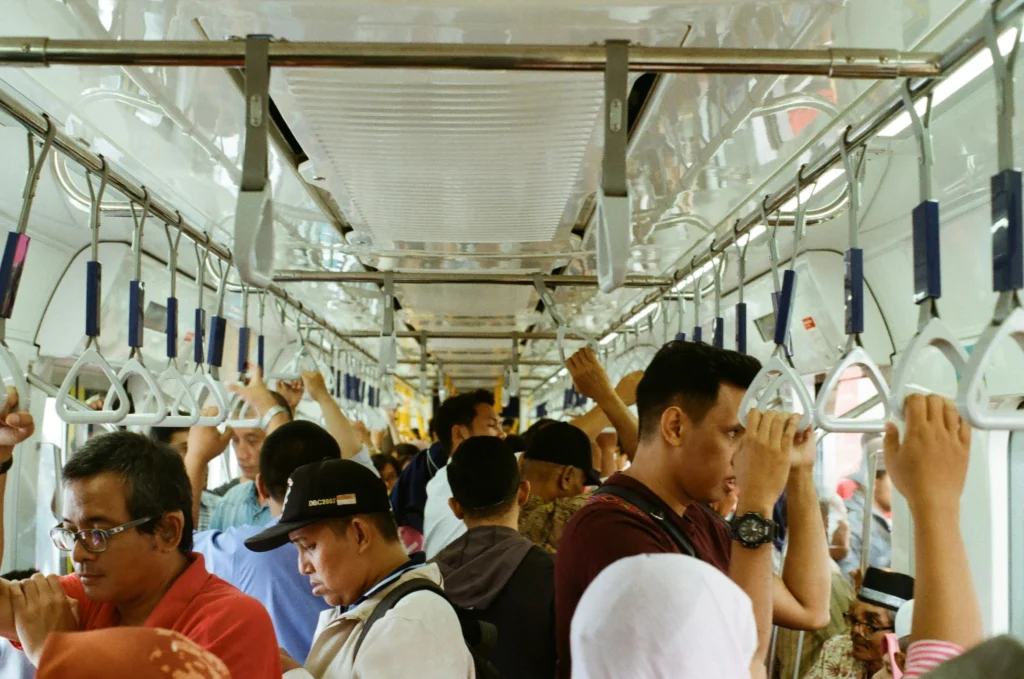
Most of the hospitality employees are provided with shared accommodation by the employers, which is often uncomfortable and lacks privacy. Overcrowding in the accommodation and the long distance from the workplace make the quality of rest really poor after exhausting shifts.
Commuting to and from work can take up to several hours every day, which adds to the already drained physical and mental energy. The living conditions have a huge impact on the overall quality of life.
Lack of Awareness About Workplace Rights and Labor Laws
A percentage of the hospitality workers that are in the UAE do not have complete knowledge about the labor laws that are in the country, such as wages, overtime, leave, and contract terms.
This lack of awareness makes workers vulnerable to unfair treatment and exploitation. Fear of job loss prevents them from speaking up to management or reporting issues, so workplace problems remain unresolved and continue to cause discomfort for employees.
Conclusion
Workers in the hospitality sector are the ones who build the foundation for the UAE’s tourism and service excellence, yet they still have to cope with a lot of problems that directly influence their lives. Contact us as long working hours, financial troubles, and the fear of losing one’s job, along with mental stress, are the main issues that need to be taken care of.
To keep the skilled workers, employers should concentrate on providing better working conditions, fair wages, and training, along with mental health support. A supportive work environment boosts employee morale and improves service quality across the hospitality industry.