
Who Works in the Hospitality Industry
The hospitality industry consists mainly of services that focus on welcoming, serving, and caring of people. It contains businesses such as hotels, resorts, restaurants, coffee shops, travel agencies, airlines, event companies, and tourism services. The primary purpose of this industry is to ensure people acquire the comfort, convenience, and unforgettable experience they seek.
People are heavily dependent on the hospitality industry compared to the sectors that are machine-oriented. Every guest touchpoint, commencing from checking in and dining to going to a conference, is managed by skilled professionals. Consequently, the sector offers diverse employment opportunities to individuals with a range of skills, qualifications, and experience levels.
Firstly, it is helpful for students, job seekers, and business owners to be aware of the hospitality industry’s workforce. It is beneficial in directing people towards appropriate career paths, and it also illustrates how collaboration between departments leads to seamless operations and high-quality service to the guests.
Front Office & Guest Services Staff

The front office and guest service personnel are the hospitality industry’s first contact with the public. This group is made up of the receptionists, front desk assistants, guest relations managers, concierge personnel, bell staff, and luggage handlers. Their role is very significant since they are usually the first ones to welcome the guests when they arrive at a hotel or resort.
The professionals of this group perform critical functions, which are check-ins and check-outs, room allocations, reservations, and guest inquiries. They are required to be very clear and polite in their communication and remain composed no matter the situation, and even if the customer is concerned, they must be polite while trying to solve the issue. The whole period given to the guest to feel at home and welcome is directly impacted by their professionalism.
The guest services staff also prioritizes the individualization and resolution of issues. If the traveler requires information on local transportation, booking a table in a restaurant, or making an unusual request with regard to the room, this team will do so without delay. Their skill in providing a seamless and delightful experience is a major contributor to guests’ contentment and good comments.
Housekeeping and Maintenance Team

The housekeeping staff is in charge of the cleanliness, sanitation, and comfort factors of hospitality properties. This encompasses the workers in the housekeeping department, the supervisors, the laundry staff, and the cleaners of public areas. The certainty from their work that the guest rooms and the areas frequented by the guests are up to the very highest standards of cleanliness and safety.
The housekeeping staff are doing the cleaning of the rooms, changing the beddings, making the bathrooms fully sanitary, refilling supplies, and doing the room inspections before the guests arrive. The detail that they pay has a very direct relationship with the guests’ comfort and their health. The cleanliness and upkeep of a room wield the power to make a guest decide whether he/she/it will come back or not.
The maintenance team backs up the housekeeping by performing technical and repair tasks. They take care of the electrical problems, plumbing issues, air-conditioning units, elevators, and safety gear. Their presence is like a guardian angel who keeps the best hotel service from failing, and so, they are the behind-the-scenes heroes of the hospitality world who ensure that everything flows smoothly.
Food and Beverage (F&B) Professionals

Food and beverage staff are among the most noticeable workers in the segment of the hospitality industry. Chefs, cooks, kitchen assistants, and servers, along with bartenders, baristas, and banquet staff, make up this group. Their work styles directly affect customer satisfaction through dining experiences.
Chefs and kitchen staff take care of cooking, controlling food quality and hygiene, and presenting the food in an appealing way. They do their work following very strict safety rules and often struggle with high pressure, particularly during the busy hours. They not only create but also keep the restaurants’ and hotels’ reputations through their creativity and quality.
The service team, composed of the waitstaff and bartenders, is the ones who have the closest interaction with the customers during eating. The staff’s attitudes, the speed of service, and the bartender’s or waiter’s knowledge of the menu all determine the guests’ sentiments toward the restaurant as a whole. Great food and beverage service can magically change a simple meal into an unforgettable experience.
Hotel Management & Administrative Roles

Hotel management specialists are responsible for the smooth running of the hospitality sector daily. Together, this group consists of a hotel manager, an operations manager, department heads, and a supervisor. They manage communication among departments to make sure that the service is delivered without a hitch.
The administrative support functions, like human resources, look after recruiting, training, and performance management, as well as taking care of the employees. The quality of service offered is directly proportional to how skilled the staff is, thereby making HR a significant player in the hospitality industry. They also make sure that the laws related to labor and workplace standards are followed.
The finance and accounting team deals with budgets, monitoring expenses, payroll, and revenues. Their activities provide financial security while allowing for quality in service. Without proper administration and management, the hospitality industry would not be able to operate or grow in a sustainable way.
Travel, Tourism & Event Professionals
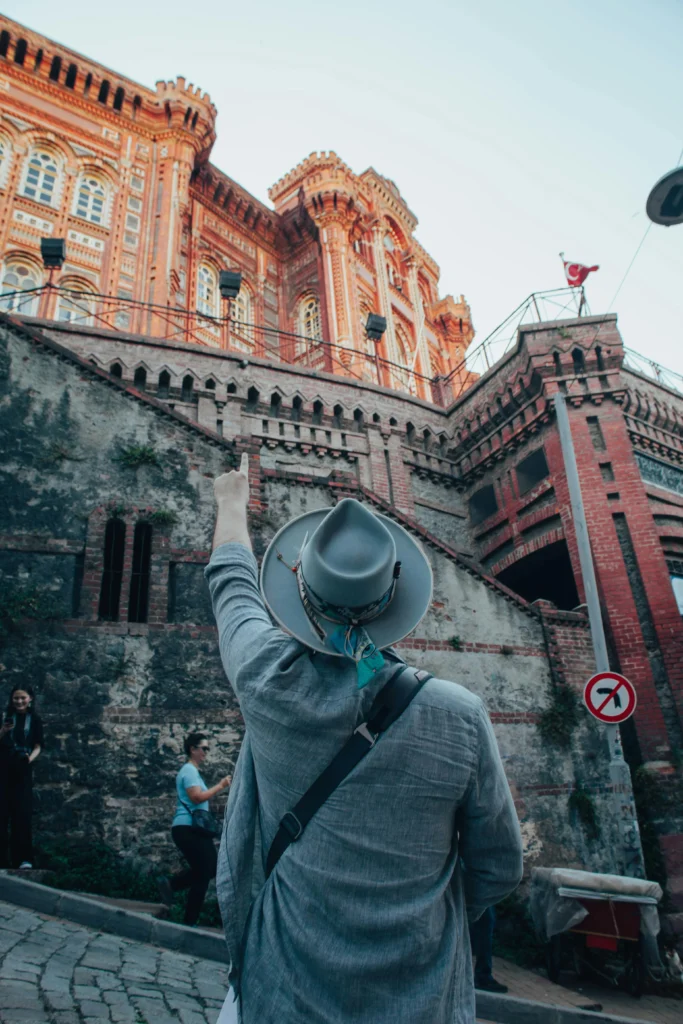
The professionals working in the travel and tourism sectors are very important in improving the guests’ experiences, not just at the hotels but also at the destination. This category of professionals includes travel agents, tour guides, product managers of a specific region, and travel coordinators. They take care of the guests’ transport, help with visa processes, give suggestions about places to see, etc.
Event professionals are the ones who take care of weddings, conferences, exhibitions, and corporate gatherings. They are the ones who take care of the planning, the scheduling, the coordination of the different vendors, and the on-site execution. The entire process would not be smooth if not for the professional organizers and their well-honed skills of attention to detail employed to accomplish such successful events.
These professionals open up new dimensions of hospitality by linking services with experiences. The tourists, on the other hand, remember the places where they got the most unforgettable moments in their lives, and thus the event professional’s input becomes a reason for the tourism industry to grow.
Sales, Marketing & Customer Support Staff

The sales and marketing divisions have the major responsibility for the hospitality sector’s promotion and revenue generation. The team consists of salespeople, marketing experts, digital marketers, and booking agents, as well as customer service personnel. Their efforts build customer relationships for the companies.
The marketing staff takes care of sites, social networks, online listings, and advertising campaigns. Their primary objectives include inviting guests, enhancing the brand’s reputation, and increasing sales. The digital world has amplified their significance to the maximum extent.
The customer service and booking personnel handle inquiries, grievances, and booking confirmations. The question-and-answer abilities and promptness of the staff build trust among the consumers. Great customer service often turns a first-time guest into a loyal customer. Check out our latest blog post on Why Customer Service Is Important in Hospitality
Security & Support Services
The security department is responsible for protecting and providing maximum comfort to the guests, employees, and the establishment. It includes the presence of uniformed security guards, safety officers, and surveillance teams. Their existence enables one to enjoy both a safe and secure atmosphere.
There are support services like the drivers, transport coordinators, and the logistics staff who aid in handling the guest movements through facilitating travel and mobility. They are in charge of the airport transfers, deliveries, and the transportation arrangements, hence making the guest movements smooth and convenient.
Conclusion
The wide range of professionals employed by the hotel business comes from various departments. The presence of each role, whether it is a front-facing role or a behind-the-scenes one, results in the guests being comfortable and the service quality being good. Teamwork is the pillar that supports the successful running of the hotel operations.
Global mobility, skill enhancement, and career improvement are some of the advantages of taking up a career in the hospitality sector. The industry places a high premium on communication, professionalism, and customer service. Contact us, as it is ideal for extroverts and people who enjoy being communicative and helping solve problems.
A better understanding of the hospitality occupation will lead to better-informed decisions regarding careers by individuals. It will also give a clearer picture of the significant places that different roles occupy in the process of delivering positive customer experiences and creating strong hospitality brands.